Sustainable Weight Loss: Why Extreme Diets Fail (and What Actually Works)
By The WellPath Team
Published Aug 14, 2026 · 5 min read
This post contains affiliate links. We may earn a commission at no extra cost to you. Learn more →
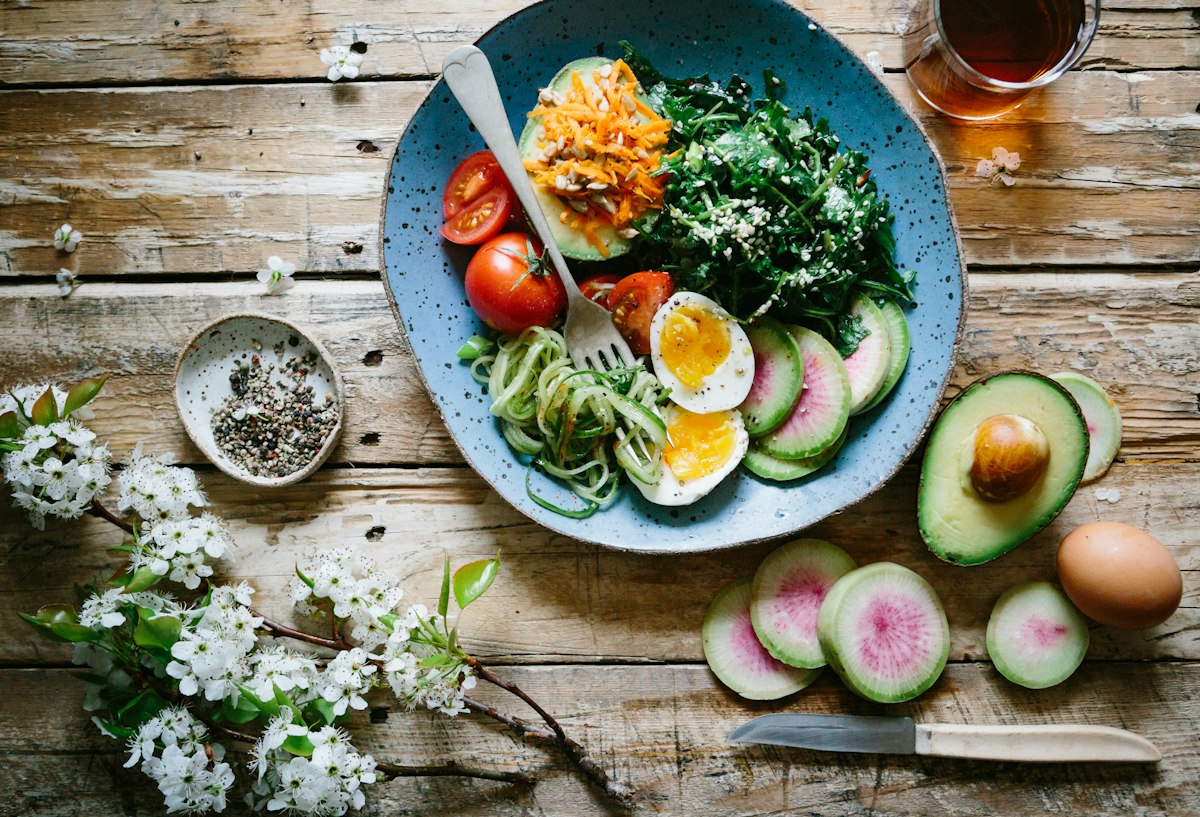
If you've ever lost weight quickly on a strict diet and watched it come back within a year, you're not lacking willpower — you ran into biology that works exactly the way it's supposed to. Extreme restriction is one of the most reliably reversed interventions in nutrition, and understanding why is the first step to doing something that actually lasts. Not sure what's driving your eating patterns right now? Our free Eating Personality quiz is a useful starting point before changing anything.
Why extreme diets fail — it's not a discipline problem
Very-low-calorie diets and aggressive restriction trigger a predictable set of survival responses: your metabolism slows down to conserve energy, hunger hormones like ghrelin rise while satiety signals like leptin drop, and — without enough protein and resistance training — a meaningful share of what you lose is muscle rather than fat. Less muscle means a lower daily calorie burn, so maintaining the new, lower weight gets harder over time, not easier. None of this is a personal failure; it's an ancient survival system responding to what it reads as a famine, and it's a large part of why so much diet-related weight loss doesn't stick past the first year.
What "sustainable" actually means
A sustainable approach uses a moderate calorie deficit — generally modest enough that you're not constantly hungry, irritable or obsessing over food — combined with resistance training to protect muscle while you lose fat. Slower, steadier loss is not a consolation prize; it's the version that's actually more likely to stay off, because it doesn't trigger the same aggressive rebound response as rapid, extreme restriction. If you want a structured framework instead of piecing this together, the Habits for Weight Loss course is built specifically around this kind of durable, non-extreme approach.
Protein is doing more work than people think
Adequate protein preserves lean muscle during a deficit, keeps you fuller for longer, and has a higher "thermic effect" than carbs or fat, meaning your body burns slightly more just digesting it. If you're not sure how much you actually need day-to-day, our no-hype protein guide breaks it down without the extremes you'll see on either side of the debate.
Sleep is a weight-regulation lever, not a side issue
Poor or insufficient sleep shifts the same hunger and satiety hormones that extreme dieting disrupts — short sleep tends to increase appetite and cravings for higher-calorie food the next day, and makes it measurably harder to hold onto a deficit. If sleep has quietly been your weak link, our guide on how stress hijacks sleep — and how to reclaim both is a good place to start before touching your food further.
Chronic stress works against you here too
Ongoing, unmanaged stress keeps cortisol elevated, which can increase cravings — particularly for energy-dense food — and make consistent eating harder to sustain. This is one more reason a habit-based approach outperforms a rigid meal plan: it accounts for the fact that stress, sleep and food are one connected system, not separate boxes to manage independently. Our guide on lowering cortisol naturally covers the same nervous-system fundamentals that support steadier eating.
Watch for emotional eating patterns
A lot of "failed" diets aren't a food problem at all — they're an unaddressed emotional-eating pattern that no meal plan was ever going to fix. If eating in response to stress, boredom or low mood sounds familiar, our piece on why emotional eating happens and how to break the cycle is worth reading before you try another round of restriction.
Consistency beats perfection
The single biggest predictor of long-term success isn't which diet you pick — it's whether you can keep doing some version of it, imperfectly, for years rather than weeks. A pattern you can maintain at 80% consistency indefinitely will outperform a "perfect" plan you abandon after a month, every time. That's the core idea behind treating this as a set of habits rather than a temporary program you'll eventually "finish."
A realistic pace, and a word of caution
Slow, gradual loss driven by modest, sustainable changes is generally easier to maintain than rapid loss from severe restriction — but exact numbers depend heavily on your starting point, health status and history, which is why this article won't hand you a one-size-fits-all target. This is educational content, not a personalized weight-loss or medical plan. If you have a medical condition, a history of disordered eating, or are considering a significant change to your diet, talk to a doctor or registered dietitian first — especially before starting anything restrictive.
Key Takeaways
- Extreme restriction triggers metabolic slowdown, hunger-hormone shifts and muscle loss — biology, not a lack of discipline.
- A moderate, sustainable calorie deficit paired with resistance training protects muscle while losing fat.
- Adequate protein supports fullness and helps preserve lean muscle during a deficit.
- Sleep and chronic stress directly influence hunger and cravings — they are not separate from "the diet."
- Consistency over years beats a perfect plan abandoned after a few weeks.
- This is educational content, not a personalized or medical weight-loss plan — talk to a doctor or dietitian before major changes, especially with a health condition or history of disordered eating.
None of this is about willpower you're missing. It's about building a system — sleep, stress management, adequate protein, movement and food you can actually keep eating — that doesn't require constant restriction to hold. If you want that built out into a full program rather than assembling it piece by piece, both Habits for Weight Loss and Weight Loss for Women take exactly this whole-picture approach.
Get our free 7-Day Gut Health Starter Guide
Simple, science-based steps to reset your gut — straight to your inbox.
No spam. Unsubscribe anytime.