The Complete Guide to Resetting Your Gut Health
By Thierno— Founder, WellPath Academy
Published Jun 27, 2026 · Updated Jul 3, 2026 · 5 min read
This post contains affiliate links. We may earn a commission at no extra cost to you. Learn more →
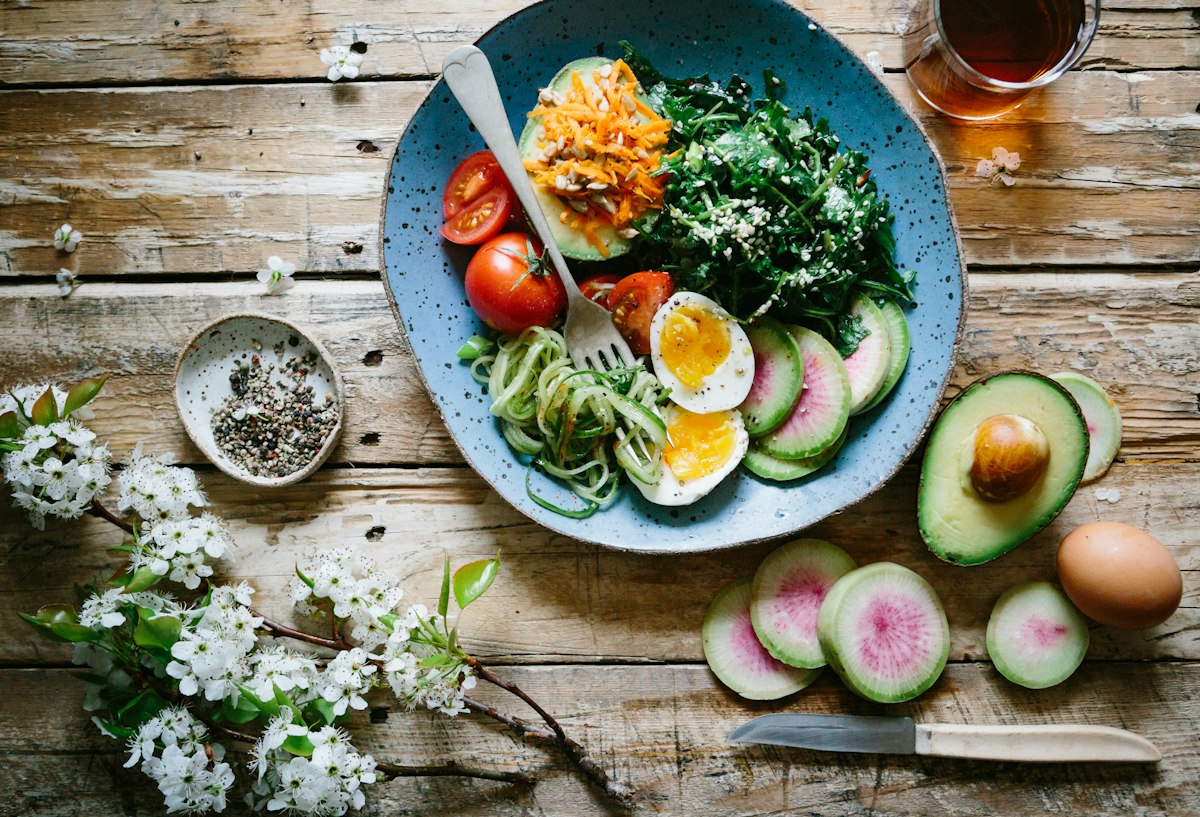
Your gut does far more than digest food. It is home to trillions of microbes — collectively your microbiome — that influence your energy, mood, immunity and even how clearly you think. When that ecosystem falls out of balance, thanks to processed food, stress, antibiotics or poor sleep, the symptoms show up everywhere: bloating, irregularity, cravings, fatigue and brain fog. The good news is that the gut is remarkably responsive. With a few consistent changes, most people feel a meaningful difference within two to four weeks. Want a quick sense of where you stand before you start? Take our free Gut Health Score quiz for a personalised snapshot.
Why gut balance matters so much
A healthy microbiome helps you break down food, absorb nutrients, regulate inflammation and produce neurotransmitters that affect mood — around 90% of your body's serotonin is made in the gut. This two-way street between the gut and the brain is so important that we built an entire course around it, the Gut-Brain Connection, because supporting digestion is one of the most underrated ways to support mental clarity and emotional balance. When the balance of bacteria tips toward less helpful strains, you feel it not just in your stomach but in your energy, skin and mind.
Step 1 — Crowd out, then crowd in
Start by reducing the foods that feed less desirable bacteria: ultra-processed snacks, added sugar, refined carbohydrates and excess alcohol. You do not need to eliminate everything overnight — simply crowd these out by "crowding in" fiber-rich whole foods. Vegetables, legumes, oats, berries, nuts and fermented foods like yogurt, kefir, kimchi and sauerkraut are the fuel your beneficial microbes thrive on. Aim for variety above all: research consistently links the diversity of plants in your diet to the diversity and resilience of your microbiome. A simple target of 30 different plant foods a week (including herbs, spices, nuts and seeds) is a powerful, achievable goal.
Step 2 — Reseed with a quality probiotic
After a rough patch — illness, travel or a course of antibiotics — a daily probiotic helps replenish beneficial strains while your diet does the heavy lifting. A clinically studied option like Bio-K+ Probiotics is a simple, shelf-stable way to support digestive balance. Probiotics are not a magic fix on their own, but during and after disruption they can meaningfully smooth the recovery. Pair them with prebiotic fiber (onions, garlic, oats, bananas) to give the new bacteria something to eat.
Step 3 — Support digestion at the source
Sometimes the issue is not just what you eat but how well you break it down. Digestive bitters, taken before meals, gently stimulate your body's own digestive secretions — saliva, stomach acid and bile — which improves how thoroughly you digest and absorb food. Many people find a blend like Dr. Emil Total Gut Complex helpful before a heavy meal, or a soothing extract like Dr. Emil Total Gut Complex when things feel sluggish and bloated afterwards. Eating slowly and chewing thoroughly does more than most people expect, too.
Step 4 — Mind the lifestyle factors
The microbiome is exquisitely sensitive to stress and sleep. Chronic stress alters gut motility and shifts the balance of bacteria through the same gut-brain axis that lets your stomach "feel" nervous before a big event. This is why a calm nervous system is part of any genuine gut reset, not an optional extra. Prioritise seven to nine hours of sleep, move your body daily, get outside, and build in real moments of rest. Skipping this step is the most common reason a "perfect" gut diet still fails to deliver.
Putting it all together
A gut reset is not a crash protocol or a punishing cleanse — it is a few weeks of consistent, gentle change. Reduce the foods that disrupt balance, eat a wide variety of fiber and fermented foods, reseed with a probiotic when needed, support digestion, and protect your sleep and stress. If you want a step-by-step plan with meal ideas and timelines, the Gut Health Made Simple course walks you through the whole process, and Gut Health: Nutrition for Energy & Focus goes deeper on eating for long-term vitality. Be patient and consistent: your gut arrived at its current state over months or years, so give it a few focused weeks and it will start repaying you with steadier energy, easier digestion and a clearer mind.
Key Takeaways
- The gut responds quickly — most people notice changes in 2–4 weeks.
- Variety matters: aim for many different plant foods each week.
- A quality probiotic helps after illness, travel or antibiotics.
- Digestive bitters before meals support sluggish digestion.
- Stress and poor sleep disrupt the microbiome as much as diet.
Frequently Asked Questions
How long does it take to reset your gut?
Most people notice meaningful changes in bloating, regularity and energy within two to four weeks of consistent changes. Deeper shifts in microbiome diversity build over months, so think of it as a lasting habit rather than a short cleanse.
What are the signs of an unhealthy gut?
Common signs include bloating, gas, irregular bowel movements, food intolerances, fatigue, sugar cravings, skin issues and brain fog. A quick self-assessment like our Gut Health Score quiz can help you spot patterns.
Do I need to take a probiotic?
Not everyone does. Probiotics are most useful after antibiotics, illness or travel, or during digestive upset. For long-term balance, a varied, fiber-rich diet with fermented foods matters more than any single supplement.
Can gut health affect mood?
Yes. The gut and brain communicate constantly via the gut-brain axis, and the gut produces most of the body’s serotonin. Poor gut health is linked to low mood, anxiety and brain fog, which is why improving digestion often lifts mental clarity.
Get our free 7-Day Gut Health Starter Guide
Simple, science-based steps to reset your gut — straight to your inbox.
No spam. Unsubscribe anytime.