The Best Time to Eat, Sleep and Exercise for Your Chronotype
By Thierno— Founder, WellPath Academy
Published Jul 1, 2026 · Updated Aug 14, 2026 · 6 min read
This post contains affiliate links. We may earn a commission at no extra cost to you. Learn more →
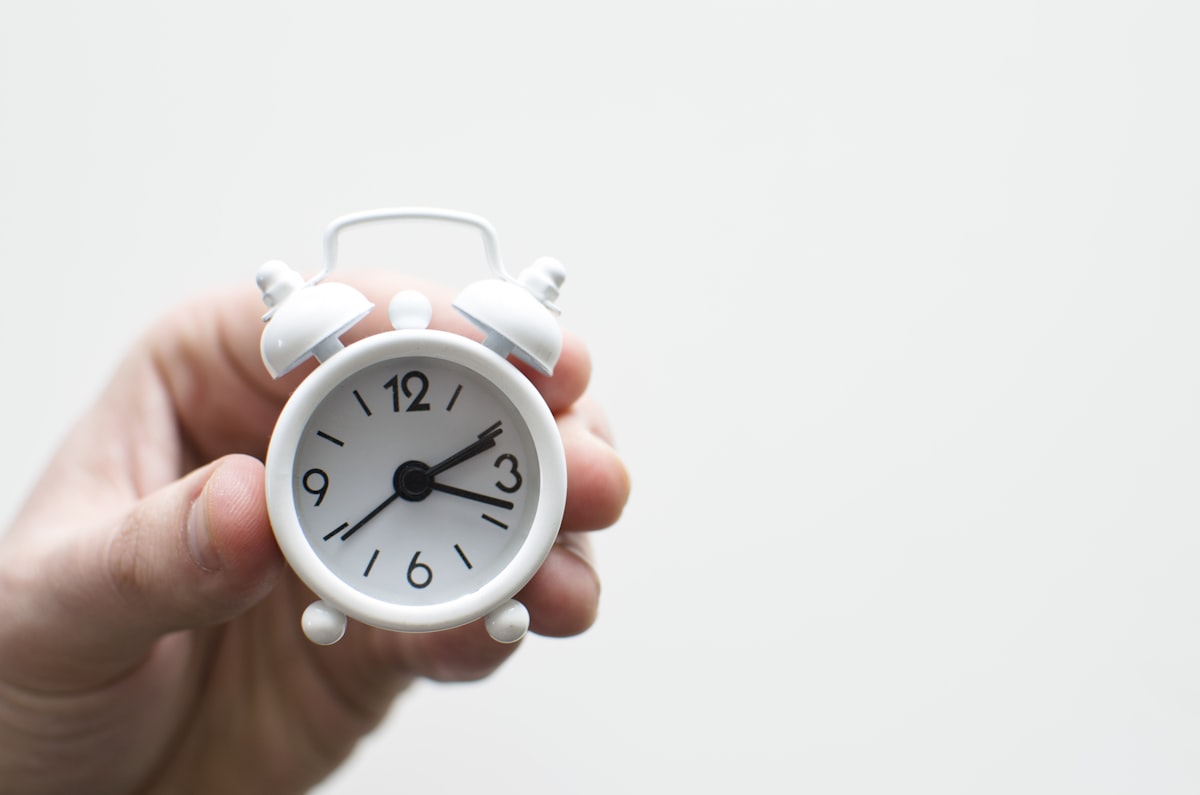
Ever notice how some people bound out of bed at 6am while others only hit their stride near midnight? That is your chronotype at work — your body's genetically influenced preference for when to sleep, wake and perform at your best. Most productivity advice ignores it completely, which is why "wake up at 5am" works brilliantly for some people and feels like torture for others. Working with your chronotype rather than against it is one of the simplest, most sustainable ways to feel more energetic, focused and rested. Not sure which one you are? Take our free chronotype quiz to find out whether you are a Lion, Bear, Wolf or Dolphin — then use this guide to build your ideal day around it.
Why timing matters as much as habits
Your circadian rhythm is a roughly 24-hour internal clock that governs hormone release, body temperature, digestion, alertness and repair. It is why you feel a natural dip in the early afternoon and a second wind in the evening. When your daily schedule clashes with this internal clock — a state researchers call circadian misalignment — you get the tired-but-wired feeling, afternoon energy crashes, poor concentration and restless nights. The fix is not more willpower; it is better alignment. When you eat, move and sleep in sync with your rhythm, the same effort produces far better results.
Know your chronotype first
Broadly, there are four types. Lions wake early, feel sharpest in the morning and fade in the evening. Bears — the most common type — follow the sun, feeling good through the middle of the day. Wolves are night owls who struggle with mornings and come alive in the late afternoon and evening. Dolphins are light, easily disturbed sleepers with busy minds. There is no "best" type; each simply has an optimal schedule. Once you know yours, the rest of this guide becomes a personalised plan rather than generic advice.
The best time to wake and sleep
Lions do best rising early and winding down by 9–10pm. Wolves fight a losing battle with 6am alarms — they thrive with later starts and later nights, so if your life allows any flexibility, shift your schedule later rather than forcing an early bedtime you will only lie awake through. Bears do well on a fairly conventional schedule anchored to daylight. The single most important rule for every type is consistency: a steady wake time, even on weekends, anchors your rhythm far more powerfully than any single early night. Sleeping in on Saturday and Sunday creates "social jet lag" that leaves you groggy come Monday.
The best time to exercise
Morning types often train best before noon, when their energy and motivation peak. Evening types tend to hit their physical best in the late afternoon and early evening, when body temperature, muscle strength and flexibility naturally rise — which is also when most strength and endurance records are set. Rather than forcing a 6am workout because an influencer swears by it, schedule movement for when your body is already primed. That said, any movement beats none: if the only time you will realistically train is the morning, train in the morning. Consistency wins.
The best time to eat
For most chronotypes, front-loading your calories — a substantial breakfast and lunch with a lighter dinner — works with your biology, because insulin sensitivity and digestion are more efficient earlier in the day. Try to finish eating two to three hours before bed so your body can devote the night to repair and sleep rather than digestion. Late, heavy meals are one of the most common hidden causes of poor sleep. If evening meals tend to sit heavily, a gentle digestive aid like Dr. Emil Total Gut Complex before dinner can take the edge off. Wolves, who naturally eat later, should focus especially on keeping that final meal lighter.
The caffeine window
Whatever your type, caffeine has a long tail — a half-life of around six hours — so a 3pm coffee can still be a quarter-strength in your system at 9pm, quietly stealing your deep sleep. Cut caffeine off by early afternoon. Wolves benefit from a counterintuitive tweak: delaying that first coffee by 60–90 minutes after waking. This lets your natural morning cortisol do its job first and smooths out the notorious mid-morning crash that hits when you caffeinate on an empty, half-awake system.
Putting your day together
Start by learning your type, then adjust the four big levers — sleep, exercise, meals and caffeine — around it. You do not need to overhaul everything at once. Pick the one that is most out of sync (for many people it is a wildly inconsistent wake time) and fix that first for two weeks. Then layer in the next. Small, rhythm-aligned changes compound quickly. If you want to turn these principles into a genuinely restorative nightly routine, the Sleep Masterclass covers the science and guided practices in depth, while Sleep Better offers quick, actionable techniques for falling asleep faster.
Key Takeaways
- A consistent wake time anchors your rhythm more than any single early night.
- Exercise when your energy naturally peaks for your type.
- Front-load calories earlier in the day and lighten dinner.
- Cut caffeine by early afternoon; Wolves benefit from delaying the first coffee.
- There is no universal schedule — only the one that fits your biology.
Frequently Asked Questions
Can I change my chronotype?
Your chronotype is largely genetic and shifts naturally with age (teenagers skew later, older adults earlier), so you cannot fully change it. But you can nudge it modestly with light exposure, consistent wake times and caffeine timing — and, more importantly, you can design your day to fit it.
What is the best time to exercise for weight loss?
The best time is whenever you will do it consistently. Some research suggests morning exercise may modestly help appetite regulation, but adherence matters far more than timing. Train when your energy and schedule align.
Why do I feel tired in the afternoon?
The post-lunch dip is a normal part of your circadian rhythm, not just the meal. A short walk, daylight or a 10–20 minute nap helps; heavy lunches and afternoon caffeine crashes can make it worse.
Is it bad to eat late at night?
Eating a large meal close to bedtime can disrupt sleep and digestion because your body is primed for rest, not processing food. Aim to finish eating two to three hours before bed, and keep late meals lighter.
Get our free 7-Day Gut Health Starter Guide
Simple, science-based steps to reset your gut — straight to your inbox.
No spam. Unsubscribe anytime.