Natural Immune Support: Daily Habits, Foods & Supplements
By Thierno— Founder, WellPath Academy
Published Jun 27, 2026 · Updated Jul 3, 2026 · 4 min read
This post contains affiliate links. We may earn a commission at no extra cost to you. Learn more →
There is no magic pill that makes you invincible, but your daily choices have a real, cumulative effect on how well your immune system functions. Think of immunity as a garden you tend consistently rather than a fire you scramble to fight only when you are already sick. The habits below will not guarantee you never catch a cold, but together they give your body the best possible chance to defend itself and recover quickly.
Start with the foundations
The unglamorous basics matter most: seven to nine hours of sleep, regular movement, managing stress, and eating a colourful, fiber-rich diet. Each of these directly influences immune function — even one night of short sleep measurably reduces the activity of key immune cells. Because so much of immunity is rooted in the gut, where a large share of your immune system lives, eating for a healthy microbiome — as covered in Gut Health: Nutrition for Energy & Focus — is one of the most effective long-term strategies you can adopt.
Eat the rainbow
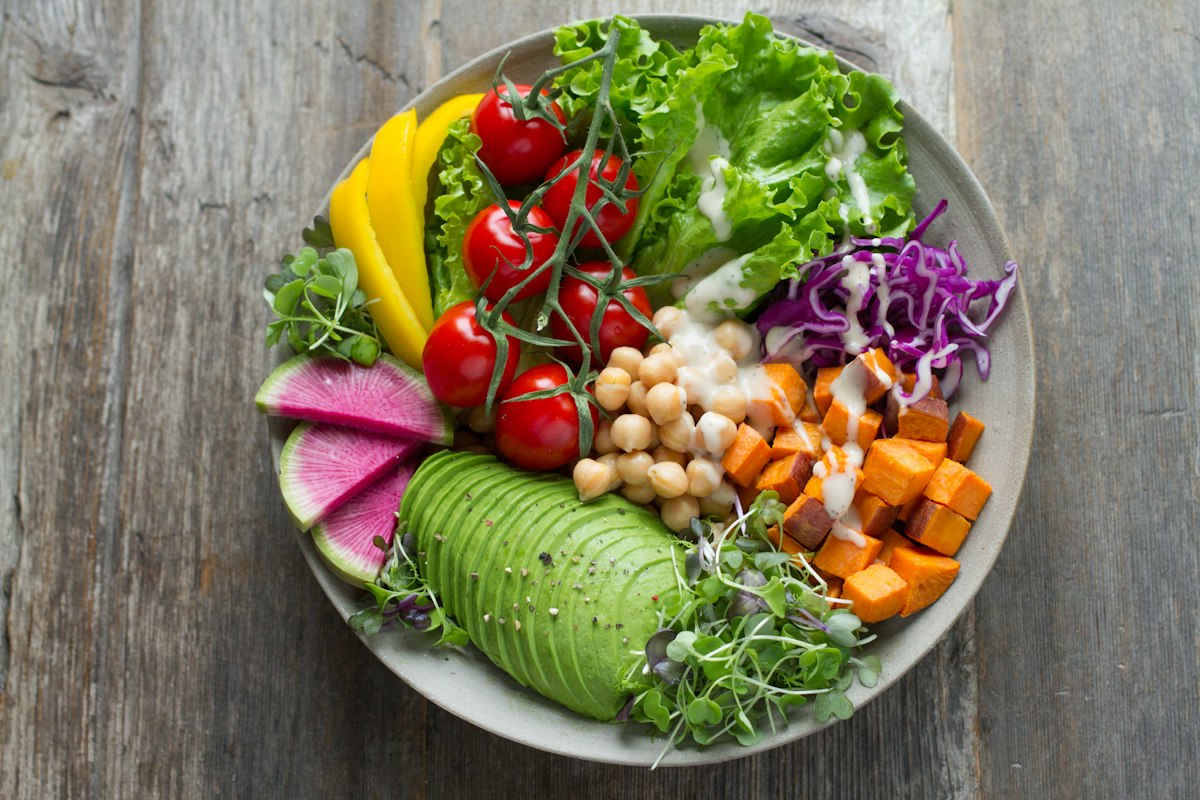
Colourful fruits and vegetables deliver the vitamins, minerals and polyphenols your immune cells rely on. Aim for variety: leafy greens, berries, citrus, peppers, garlic, ginger, mushrooms and cruciferous vegetables all bring something useful to the table. Protein matters too, since antibodies and immune cells are built from it. A solid grounding in nutrition makes these choices feel like second nature rather than a chore.
Prioritise sleep and stress
This deserves its own heading because it is so often ignored. Chronic stress and short sleep suppress immune function directly, so the calmer and better-rested you are, the better your defenses work. If you tend to run yourself down, a quick check of your overall lifestyle with our Wellness Age calculator can reveal where the biggest gaps are.
Smart seasonal support
During higher-risk seasons, a few traditional allies can complement your routine — not replace the fundamentals:
- Elderberry has long been part of seasonal wellness traditions. A concentrated extract like JungKwanJang Immune Support is an easy daily addition through winter.
- Vitamin C supports normal immune function; a time-release form such as Solgar Vitamin C keeps levels steady through the day.
- Vitamin D is strongly linked to immune health and is commonly low in winter, so it is worth checking your levels.
- Herbal immune blends like Bio-K+ Probiotics are popular for extra support when you feel run-down.
Support your gut
Because roughly 70% of your immune system resides in and around the gut, digestive health and immunity are inseparable. A varied, fiber-rich diet with fermented foods feeds the beneficial bacteria that help train and regulate your immune response, and a probiotic like Bio-K+ Probiotics can help after antibiotics or illness. If you want a structured approach, the Gut Health Made Simple course pairs naturally with immune support.
Don't undo your hard work
The everyday basics still matter: wash your hands, stay hydrated, get fresh air and daylight, and keep moving. And remember that recovery is part of resilience — pushing through illness without rest often prolongs it. When you do get sick, sleep, fluids and patience are your best allies.
The takeaway
Immune resilience is not bought in a single bottle — it is built through sleep, food, movement, stress management, gut health and a few sensible supplements used consistently. Tend the garden daily, lean on traditional support during tougher seasons, and your body will be far better equipped to handle whatever comes its way.
Key Takeaways
- Sleep, movement and stress management are the foundation.
- Eat the rainbow for immune-supporting nutrients.
- Around 70% of immunity is rooted in the gut.
- Elderberry, vitamin C and vitamin D are easy seasonal allies.
- Chronic stress and short sleep suppress immunity.
Frequently Asked Questions
What is the fastest way to boost your immune system?
There is no instant boost, but the fastest meaningful improvements come from prioritising sleep, reducing stress, staying hydrated and eating plenty of colourful vegetables and protein. These support immune function within days, unlike any single supplement.
Does vitamin C prevent colds?
Vitamin C does not reliably prevent colds in most people, but consistent intake may slightly shorten their duration and supports normal immune function. It works best as part of a nutrient-rich diet rather than as a cure.
Can lack of sleep weaken your immune system?
Yes, significantly. Even one night of short sleep reduces the activity of key immune cells, and chronic sleep deprivation makes you more susceptible to infection and slower to recover.
How does gut health affect immunity?
Around 70% of your immune system lives in and around the gut. A diverse, fiber-rich diet with fermented foods feeds beneficial bacteria that help train and regulate your immune response.
Get our free 7-Day Gut Health Starter Guide
Simple, science-based steps to reset your gut — straight to your inbox.
No spam. Unsubscribe anytime.