Anti-Inflammatory Eating: A Practical Starter Guide
By Thierno— Founder, WellPath Academy
Published Jun 27, 2026 · Updated Jul 3, 2026 · 4 min read
This post contains affiliate links. We may earn a commission at no extra cost to you. Learn more →
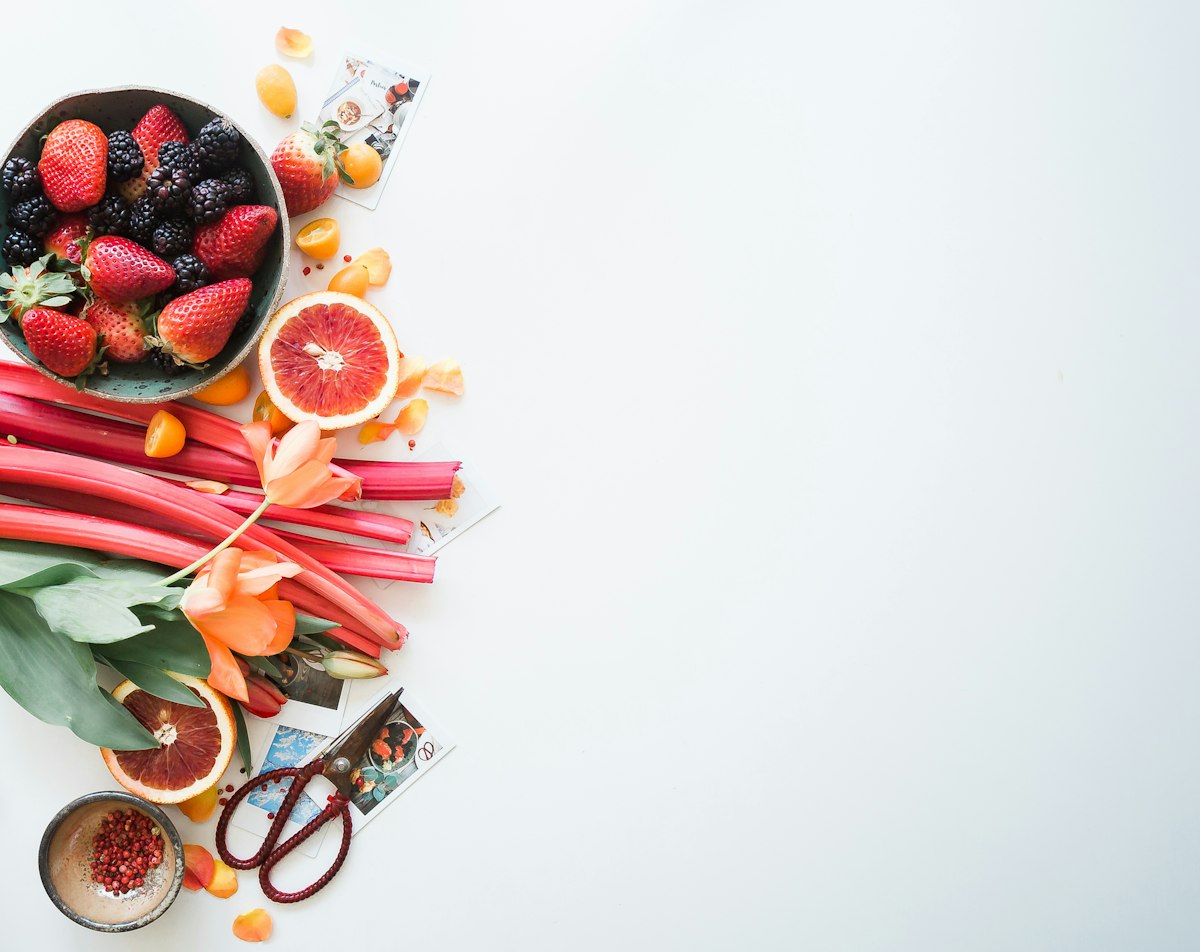
Inflammation is not the enemy — it is how your body heals. The problem is chronic, low-grade inflammation that simmers quietly in the background and has been linked to fatigue, stubborn weight, digestive issues, joint pain and a foggy mind. Unlike the acute inflammation of a cut or a cold, this kind produces no obvious symptom you can point to, which is why it goes unaddressed for years. The single biggest lever you control is what is on your plate.
What drives the fire
Ultra-processed foods, refined sugar, excess refined carbohydrates and industrial seed oils tend to push inflammation up, especially when they crowd out more nourishing foods. A diet low in fiber and colour compounds the problem. The aim is not perfection or a rigid list of "forbidden" foods, but a steady shift toward whole, minimally processed meals most of the time. What you consistently add matters as much as what you occasionally remove.
Foods that calm things down
- Oily fish (salmon, sardines, mackerel) for anti-inflammatory omega-3 fats — aim for two portions a week.
- Colourful produce — berries, leafy greens, peppers and cruciferous vegetables — for polyphenols and fiber.
- Extra-virgin olive oil, nuts and seeds for healthy monounsaturated fats.
- Herbs and spices like turmeric, ginger and garlic, which have well-studied anti-inflammatory properties.
- Fermented foods — yogurt, kefir, sauerkraut — to support a healthy gut, which is central to regulating inflammation.
The gut-inflammation link
A large share of your immune system lives in your gut, so digestive health and inflammation are deeply connected. When the gut lining and microbiome are healthy, they help keep the immune system calm and well-regulated; when they are disrupted, low-grade inflammation often follows. Supporting digestion — with plenty of fiber, fermented foods, and gentle aids like Dr. Emil Total Gut Complex when meals feel heavy — helps keep the whole system settled. If you want a structured reset, the Gut Health Made Simple course is a natural companion to anti-inflammatory eating, and a quick Gut Health Score quiz can show you where to focus first.
Build the plate, not the rules
Forget complicated diets and calorie maths. Use a simple, repeatable template: fill half your plate with vegetables, a quarter with quality protein, and a quarter with whole-food carbohydrates, finished with a healthy fat like olive oil, avocado or nuts. Do that most of the time and you are already eating anti-inflammatory without tracking a thing. Colour and variety are your two guiding principles.
Lifestyle matters too
Food is the biggest lever, but not the only one. Poor sleep, chronic stress and a sedentary lifestyle all raise inflammation independently, while regular movement and good sleep lower it. Anti-inflammatory living is therefore a package: eat well, move daily, sleep enough and manage stress, and the effects reinforce each other.
Small steps, real results
You do not need to overhaul everything overnight. Swap one sugary drink for water, add a vegetable to each meal, cook one extra meal at home this week, and choose olive oil over refined seed oils. To turn these swaps into lasting habits, a grounding in the fundamentals — like our Complete Nutrition Course — makes the choices feel effortless rather than restrictive. Eat mostly whole foods, prioritise plants and healthy fats, support your gut, and give it a few weeks. Many people are surprised by how much steadier their energy, mood and joints feel once the background fire finally settles.
Key Takeaways
- Diet is the biggest lever over chronic inflammation.
- Oily fish, produce, olive oil and spices calm the fire.
- Ultra-processed foods and refined sugar fan it.
- Gut health and inflammation are deeply connected.
- Sleep, stress and movement matter alongside food.
Frequently Asked Questions
What foods reduce inflammation the most?
The most consistently anti-inflammatory foods are oily fish, colourful vegetables and fruit (especially berries and leafy greens), extra-virgin olive oil, nuts, seeds, and spices like turmeric and ginger. Variety and consistency matter more than any single "superfood".
What foods cause inflammation?
Ultra-processed foods, added sugar, refined carbohydrates, industrial seed oils and excess alcohol tend to promote chronic inflammation, particularly when they replace whole, fiber-rich foods.
How long does it take to reduce inflammation with diet?
Many people notice improvements in energy, digestion and joint comfort within a few weeks of consistent anti-inflammatory eating, though deeper benefits build over months alongside good sleep, movement and stress management.
Is chronic inflammation reversible?
Low-grade chronic inflammation is highly responsive to lifestyle. Shifting toward whole foods, improving gut health, moving regularly, sleeping well and managing stress can meaningfully lower it over time.
Get our free 7-Day Gut Health Starter Guide
Simple, science-based steps to reset your gut — straight to your inbox.
No spam. Unsubscribe anytime.